


Case studies, District heating, Municipal buildings and facilities, Others, RES, Residential buildings, Street lighting, Transport
Moldovan municipalities learn from Botoșani’s approach to green mobility and modern waste management
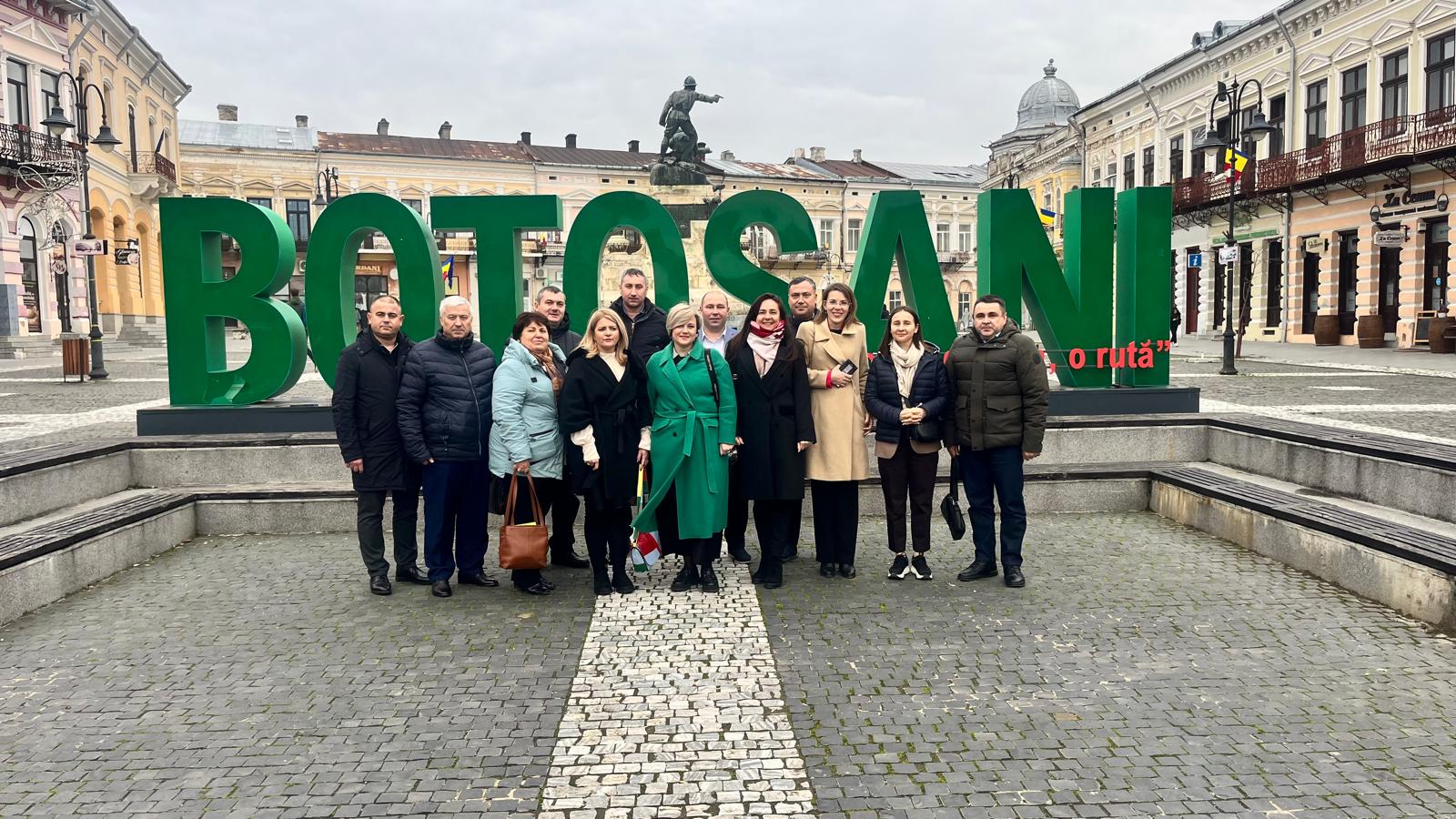
A delegation of Moldovan signatories of the Covenant of Mayors for Climate and Energy visited Botoșani, Romania, on 27–28 November to explore practical models for urban energy transition, sustainable mobility, and climate adaptation. The group examined how European and national investments are reshaping the city’s infrastructure and services.

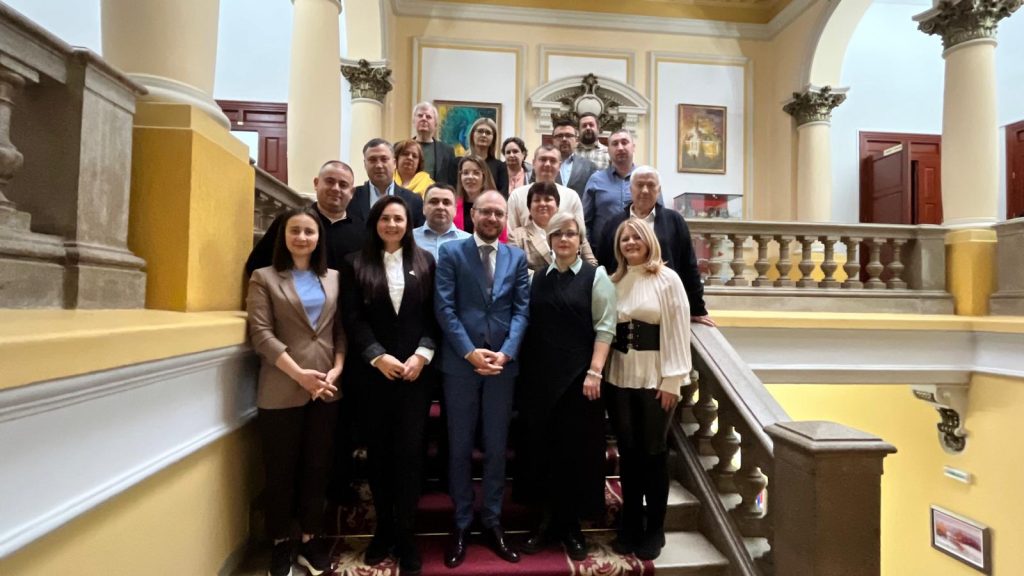
Over the last years, Botoșani has attracted more than €160 million in EU and national funding to modernise public transport, develop cycling and pedestrian corridors, upgrade lighting systems, improve energy performance in buildings, strengthen digital services, and introduce new waste management solutions. Opening the visit, Mayor Cosmin-Ionuț Andrei underlined the importance of long-term strategic planning, skilled municipal teams, and efficient use of EU funds.
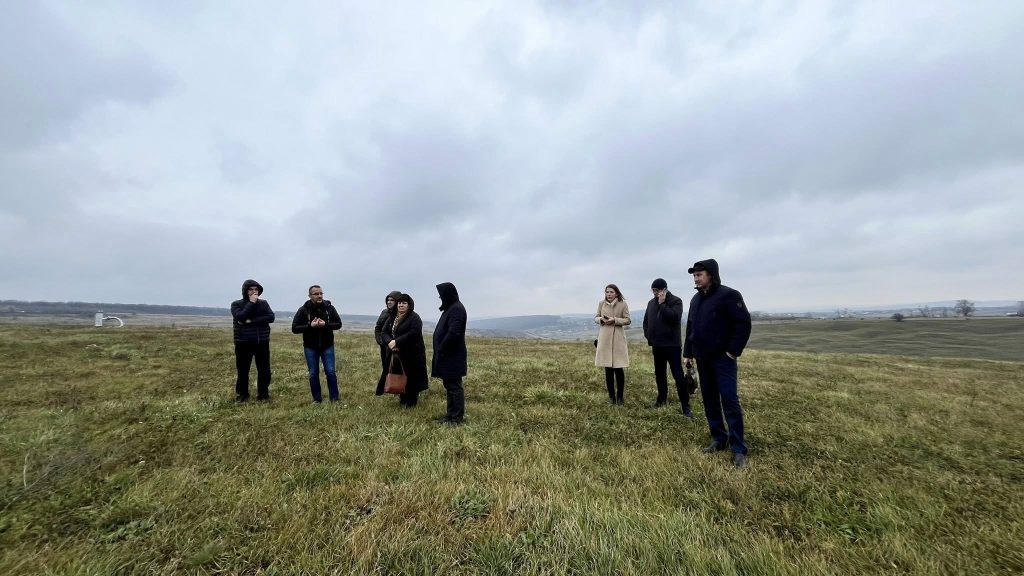
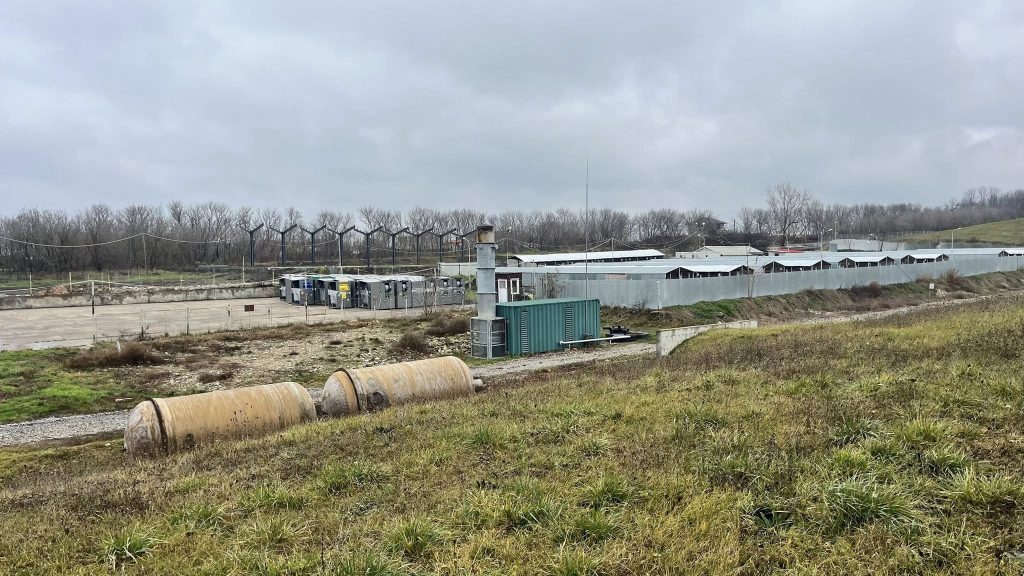
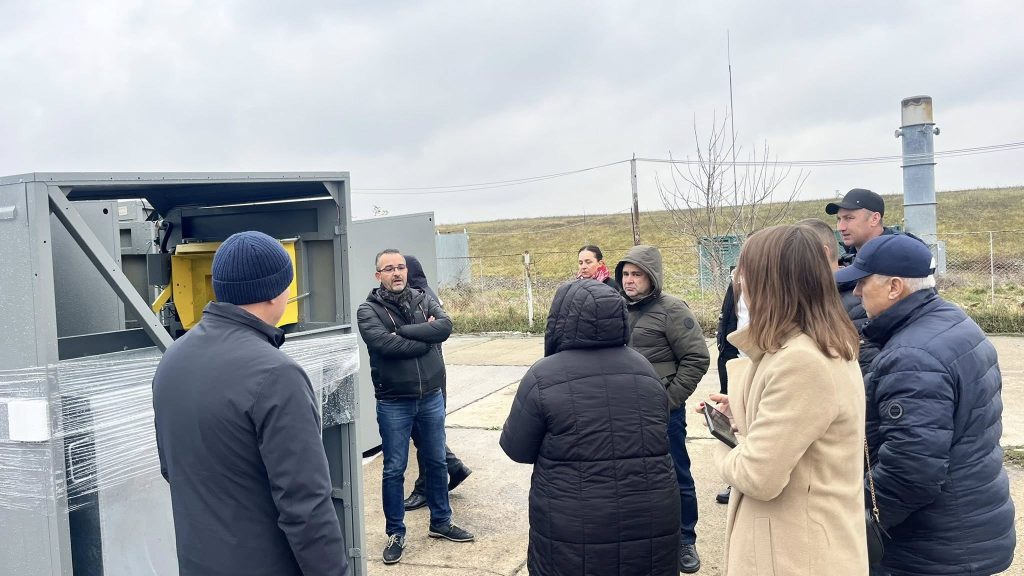
The delegation analysed Botoșani’s model for waste management, including the Municipal Centre for Recyclable Waste Collection, built on a former illegal landfill. Residents can deliver bulky waste, construction debris and green waste free of charge, with materials crushed, reused or composted. Participants also visited the rehabilitated landfill, where project manager Bogdan Bețenchi presented each phase of safe closure: environmental assessments, excavation, compaction, installation of leachate and gas collection systems, sealing layers, and final landscaping.
Botoșani is also rolling out “green islands” — secure, digitalised waste collection points accessible by card or mobile phone. By the end of the year, the city will operate more than 1,000 smart containers and 100 underground points, supporting its shift towards a circular economy.

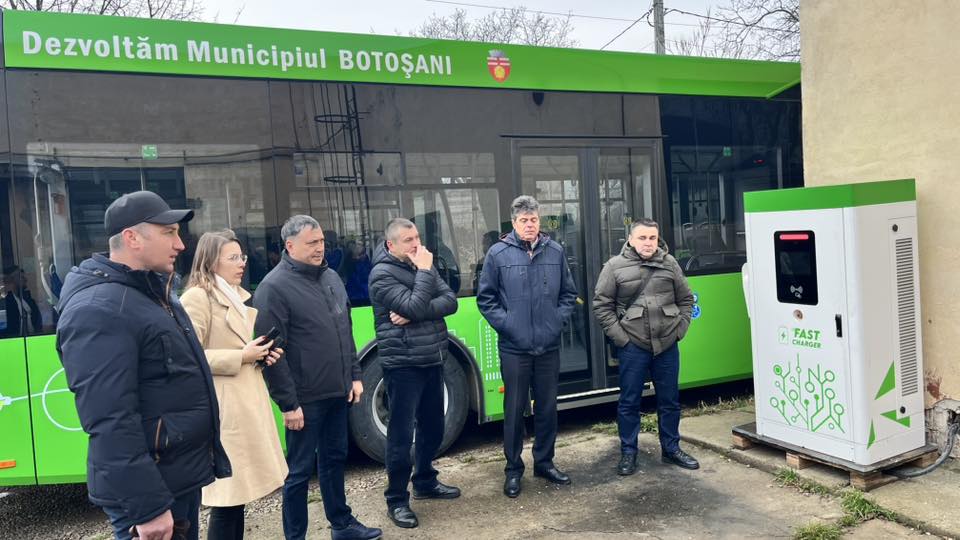
At Eltrans, the municipal transport company, participants examined the new electric buses purchased with EU funding. The fleet will gradually replace diesel vehicles, reducing emissions and noise while improving service quality.
The visit also included the Elena Rareș Gymnasium, fully renovated through the National Recovery and Resilience Plan. The school now operates with thermal insulation, modern heating and hot water systems, renewable energy sources, mechanical ventilation, efficient lighting, and smart energy management solutions, enhancing the learning environment for 949 pupils.
The delegation further explored the local Innovation Promotion Centre and the Municipal Energy Management Agency, where they learned about educational technologies and the role of the municipal energy manager in monitoring consumption and coordinating energy procurement. Additional sessions covered urban regeneration, green infrastructure, photovoltaic charging stations, and community-focused development initiatives.