


Case studies, District heating, Municipal buildings and facilities, Others, RES, Residential buildings, Street lighting, Transport
Stepanavan puts solar energy and street lighting at the centre of its climate strategy
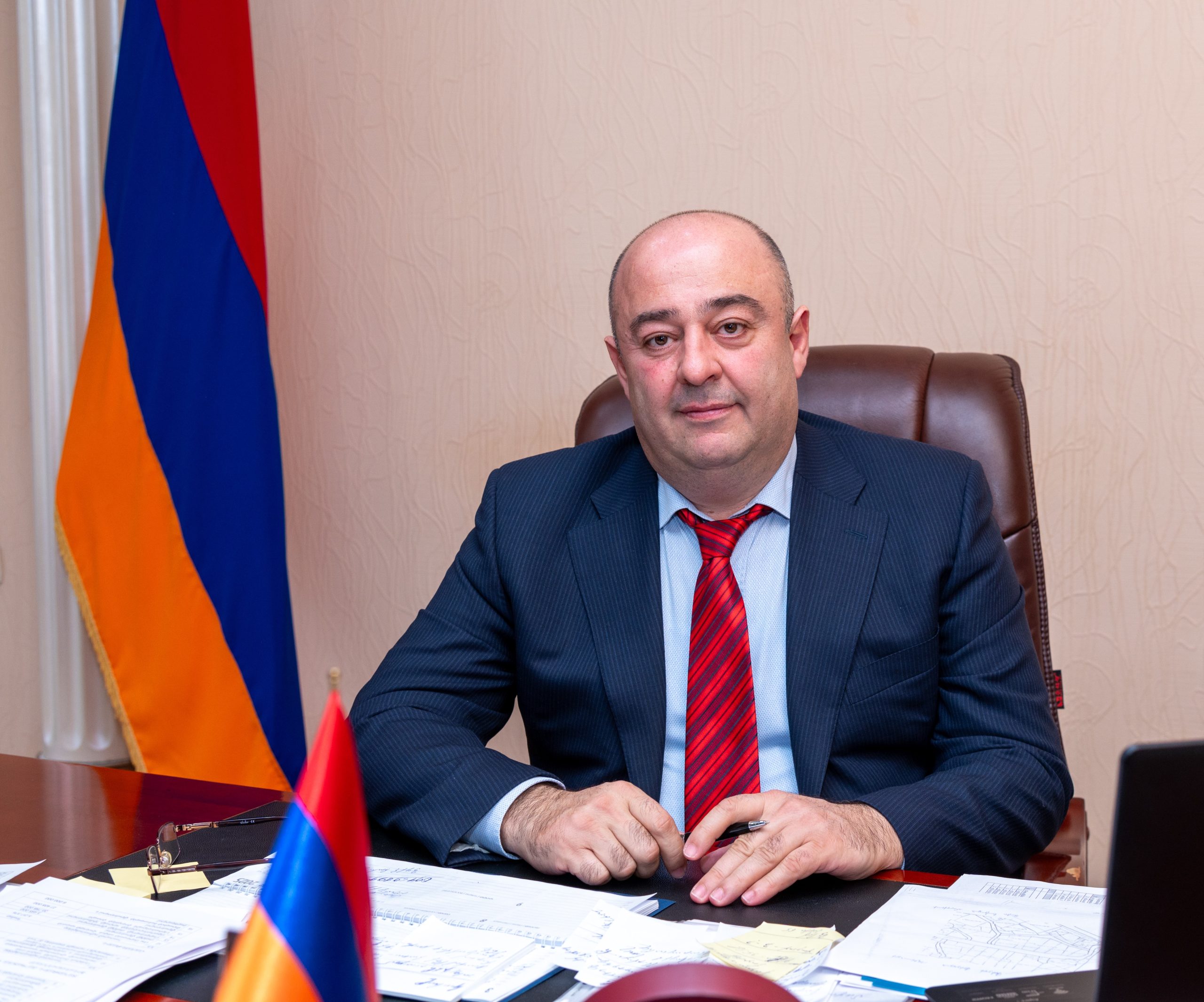
Stepanavan, Armenia, joined the Covenant of Mayors in 2022. Since then the city has installed solar photovoltaic systems on municipal buildings, replaced street lighting with LED technology..
Armen Grigoryan, Mayor of Stepanavan and Vice President of the Covenant of Mayors Club in Armenia, spoke to CoM East about what three years of membership has produced, and what comes next.
What are the most significant changes in Stepanavan since joining the Covenant of Mayors?
The most significant change has been the development of the Sustainable Energy and Climate Action Plan (SECAP), which provides a clear roadmap for reducing CO₂ emissions by 2030 and strengthening the community’s resilience to climate-related hazards.
This has led to the introduction of modern energy-saving technologies in municipal buildings and street lighting systems, as well as more active use of solar energy in public structures — to achieve energy independence, reduce operational costs and meet sustainability targets.
There has also been a rise in public understanding of climate change risks, along with a greater sense of responsibility for the efficient use of energy in the everyday behaviour of citizens.
As Vice President of the Covenant of Mayors Club in Armenia, I would also like to emphasise the importance of this structure as a platform for discussing progress and challenges among member communities, national bodies and international partners, and for exchanging experience and coordinating efforts.
What benefits have residents seen directly?
Brighter and safer streets — street lighting across much of the city has been modernised. Old lamps have been replaced with energy-efficient LEDs, and the network has been expanded. This reduced electricity consumption and improved nighttime visibility, safety and the city’s attractiveness.
Lower utility costs — as a result of thermal insulation and improved energy efficiency in apartment buildings, residents’ utility bills have dropped. We monitor energy consumption in the buildings where these measures were implemented, and the data confirms the reductions.
Awareness — through the EU Sustainable Energy Weeks organised annually by CoM East, and through events, campaigns and information meetings organised by the municipality, residents learn energy-saving practices and apply them at home.
Environmental quality — Stepanavan is considered one of Armenia’s green zones. The consistent reduction of emissions strengthens that image and makes the city an attractive destination for visitors seeking clean air and natural surroundings.
Our goal is to develop the community without harming nature.
Which project best reflects that impact?
The installation of solar photovoltaic systems on the roofs of the Stepanavan municipality building and its subordinate public institutions best reflects the city’s eco-strategy.
Transitioning to solar energy reduces electricity costs from the community budget. The savings can be redirected to improving institutional conditions, purchasing new equipment, renovating buildings or implementing further green projects.
By using renewable energy, the community reduces greenhouse gas emissions. This sends a direct message to tourists and investors that Stepanavan is not only green by nature but also in its mindset and governance model.
I would also mention our work in kindergartens. Children learn waste sorting, energy saving and green development as part of their daily routine. Today’s informed child is tomorrow’s responsible citizen who will care for our community and the planet.
What has membership in the Covenant of Mayors meant for how Stepanavan is governed?
The progress we achieved in just two years was possible thanks not only to the work of our specialists, but also to the technical support provided by UNDP Armenia and the CoM East project.
One of the most important decisions was establishing a dedicated municipal energy manager position. This person is responsible not only for developing the SECAP but for daily monitoring and optimisation of energy consumption across municipal facilities. Their participation in CoM East capacity-building training has significantly deepened our team’s knowledge of climate change and sustainable development.
We are no longer just consumers — we are competent managers of our energy resources. Institutional growth means we no longer rely on situational solutions but develop long-term energy policies.
Stepanavan is also becoming a pilot platform and a model for other communities in Armenia. We have seen growth in green investments, where modern technologies serve both nature and human comfort. And we will continue this process.
Our goal is one — to build a community that inspires pride among its residents and confidence among international partners.